
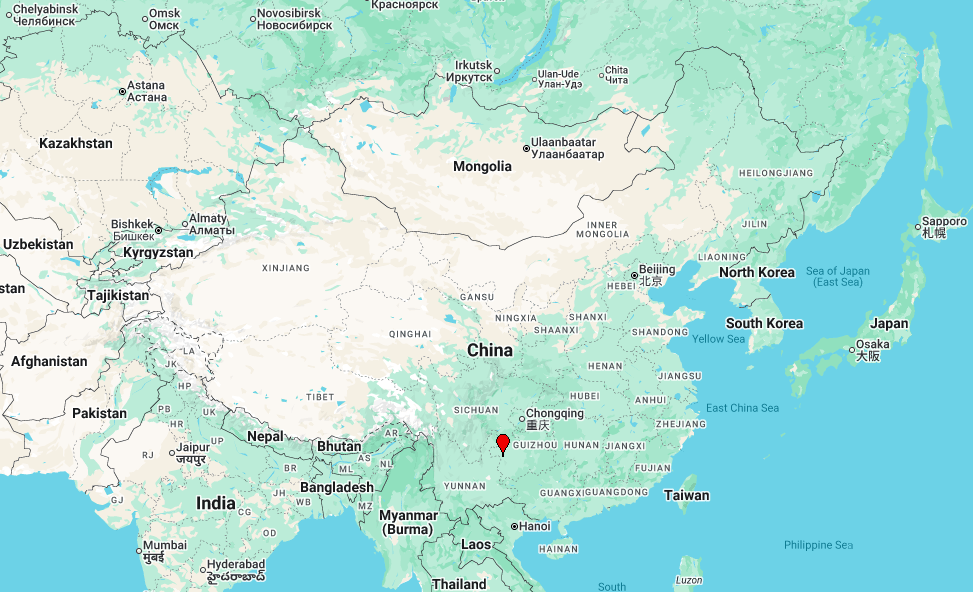
六盘水市是位于中国贵州省西部的一个地级市。
该市因夏季平均气温仅约19℃,而享有“中国凉都”的美誉。
六盘水的地名是由其下辖的六枝、盘州和水城三个县市区的首字组合而成。
六盘水是一个多民族聚居区,居住着彝族、苗族、布依族等47个少数民族。
该地区是古夜郎国的所在地,并于1978年正式获批设立为地级市。
六盘水是国家“三线”建设时期发展起来的能源原材料工业城市,素有“江南煤都”之称。
它是重要的旅游目的地,拥有乌蒙大草原、玉舍国家森林公园 、黄果树瀑布和北盘江大峡谷等著名景区。
六盘水是中国南方少数提供城市集中供暖的城市,并以其低纬度高海拔的户外滑雪场而闻名。
境内拥有世界级超级工程花江峡谷大桥,为世界第一高桥,桥梁跨度与垂直高度均位居世界前列,是当地极具代表性的地标景观。
六盘水物产资源丰富,是国内野生刺梨核心产区,盛产盘县火腿、妥乐白果等特色名优物产。
当地民俗文化底蕴深厚,拥有彝族火把节、苗族芦笙舞、布依族八音坐唱等多项非遗文化,是贵州西部极具民族特色的文化名城。
Spoken by Yajing
Liupanshui is a prefecture-level city located in the western part of Guizhou Province, China.
With an average summer temperature of only about 19°C, it is renowned as "China's Cool Capital."
The name Liupanshui is derived from the first characters of its three subordinate county-level administrative areas: Liuzhi, Panzhou, and Shuicheng.
Liupanshui is a multi-ethnic region, home to 47 ethnic minority groups, including the Yi, Miao, and Bouyei peoples.
This area was the site of the ancient Yelang Kingdom and was officially established as a prefecture-level city in 1978.
Liupanshui is an industrial city focused on energy and raw materials, developed during the national "Third Front" construction period, and is often called the "Coal Capital of the South."
It is an important tourist destination, featuring famous scenic spots such as Wumeng Grassland, Yushe National Forest Park, Huangguoshu Waterfall, and the Beipan River Grand Canyon.
Liupanshui is one of the few cities in southern China that provides urban central heating, and it is known for its outdoor ski resorts, which benefit from the region's low latitude and high altitude.
Within its territory lies the Huajiang Grand Canyon Bridge, a world-class mega-engineering project and the highest bridge in the world, with both its span and vertical height ranking among the top globally, making it a highly iconic local landmark.
Liupanshui is rich in natural resources and is a core production area for wild roxburgh rose in China. It also produces specialty local products such as Panxian ham and Tuole ginkgo nuts.
The region boasts profound folk cultural heritage, with numerous intangible cultural heritage items including the Yi Torch Festival, the Miao Lusheng dance, and the Bouyei Eight-Sound Seating performance, making it a culturally renowned city in western Guizhou with strong ethnic characteristics..
Spoken by Wayne Eddy
六盘水市是位于中国贵州省西部的一个地级市。
Liùpánshuǐ shì shì wèiyú zhōngguó guìzhōu shěng xībù de yīgè dì jí shì.
该市因夏季平均气温仅约19℃,而享有“中国凉都”的美誉。
Gāi shì yīn xiàjì píngjūn qìwēn jǐn yuē 19℃, ér xiǎngyǒu “zhōngguó liáng dōu” dì měiyù.
六盘水的地名是由其下辖的六枝、盘州和水城三个县市区的首字组合而成。
Liùpánshuǐ dì dìmíng shì yóu qí xià xiá de liù zhī, pán zhōu hé shuǐchéng sān gè xiàn shì qū de shǒu zì zǔhé ér chéng.
六盘水是一个多民族聚居区,居住着彝族、苗族、布依族等47个少数民族。
Liùpánshuǐ shì yīgè duō mínzú jùjū qū, jūzhùzhe yízú, miáozú, bùyī zú děng 47 gè shǎoshù mínzú.
该地区是古夜郎国的所在地,并于1978年正式获批设立为地级市。
Gāi dìqū shì gǔ yè láng guó de suǒzàidì, bìng yú 1978 nián zhèngshì huò pī shèlì wèi dì jí shì.
六盘水是国家“三线”建设时期发展起来的能源原材料工业城市,素有“江南煤都”之称。
Liùpánshuǐ shì guójiā “sānxiàn” jiànshè shíqí fāzhǎn qǐlái de néngyuán yuáncáiliào gōngyè chéngshì, sù yǒu “jiāngnán méi dū” zhī chēng.
它是重要的旅游目的地,拥有乌蒙大草原、玉舍国家森林公园 、黄果树瀑布和北盘江大峡谷等著名景区。
Tā shì zhòngyào de lǚyóu mùdì de, yǒngyǒu wū méng dà cǎoyuán, yù shě guójiā sēnlín gōngyuán, huángguǒshù pùbù hé běi pán jiāng dà xiágǔ děng zhùmíng jǐngqū.
六盘水是中国南方少数提供城市集中供暖的城市,并以其低纬度高海拔的户外滑雪场而闻名。
Liùpánshuǐ shì zhōngguó nánfāng shǎoshù tígōngchéngshì jízhōng gōngnuǎn de chéngshì, bìng yǐ qí dī wěidù gāo hǎibá de hùwài huáxuě chǎng ér wénmíng.
境内拥有世界级超级工程花江峡谷大桥,为世界第一高桥,桥梁跨度与垂直高度均位居世界前列,是当地极具代表性的地标景观。
Jìngnèi yǒngyǒu shìjiè jí chāojí gōng chéng huājiāng xiágǔ dàqiáo, wèi shìjiè dì yī gāo qiáo, qiáoliáng kuàdù yǔ chuízhí gāodù jūn wèi jū shìjiè qiánliè, shì dāngdì jí jù dàibiǎo xìng dì dìbiāo jǐngguān.
六盘水物产资源丰富,是国内野生刺梨核心产区,盛产盘县火腿、妥乐白果等特色名优物产。
Liùpánshuǐ wùchǎn zīyuán fēngfù, shì guónèi yěshēng cì lí héxīn chǎn qū, shèngchǎn pán xiàn huǒtuǐ, tuǒ lè báiguǒ děng tèsè míngyōu wùchǎn.
当地民俗文化底蕴深厚,拥有彝族火把节、苗族芦笙舞、布依族八音坐唱等多项非遗文化,是贵州西部极具民族特色的文化名城。
Dāngdì mínsú wénhuà dǐyùn shēnhòu, yǒngyǒu yízú huǒbǎ jié, miáozú lúshēng wǔ, bùyī zú bā yīn zuò chàng děng duō xiàng fēi yí wénhuà, shì guìzhōu xībù jí jù mínzú tèsè de wénhuà míngchéng.